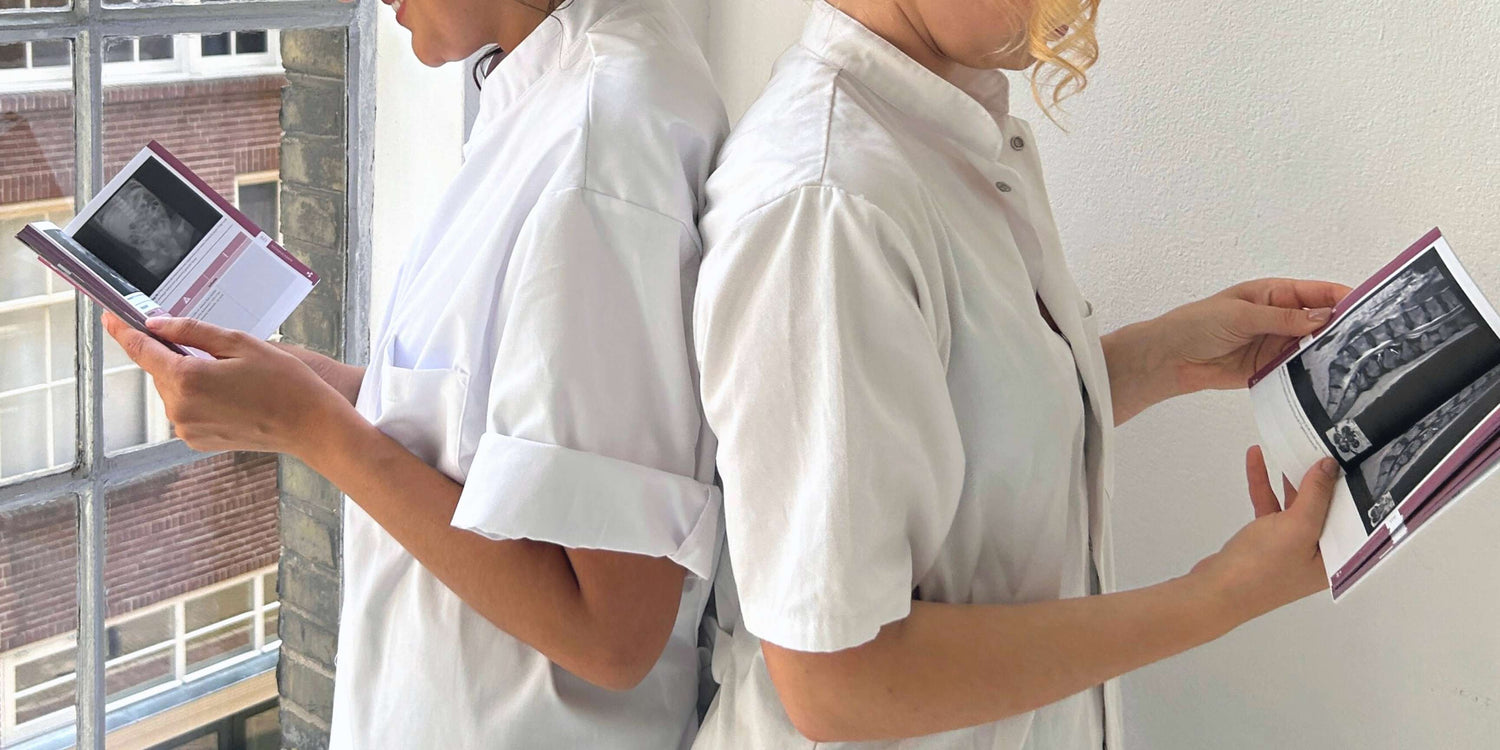
Essential Knowledge in Your Pocket
The ultimate pocket-sized medical resource!
Developed by and for busy healthcare professionals like you, who need fast, reliable, and easy-to-use resources
Reviewed and approved by a team of medical experts to ensure the quality of each book
Used by doctors, nurses, and medical students worldwide (100+ countries!)
Choose the pocket that suits your specialty

Complete Pocket Collection (8-Book Set)

Pocket Neurology (2024)

Pocket Acute Medicine (2025)

Pocket Obstetrics and Gynaecology (2024)

Pocket First Aid (2024)

Pocket Radiology (2023)

Pocket Dermatology (2025)

Pocket Gastroenterology and Hepatology (2025)

Pocket Cardiology and Vascular Medicine (2024)
What our readers say
Let customers speak for us
Save time using our Method!
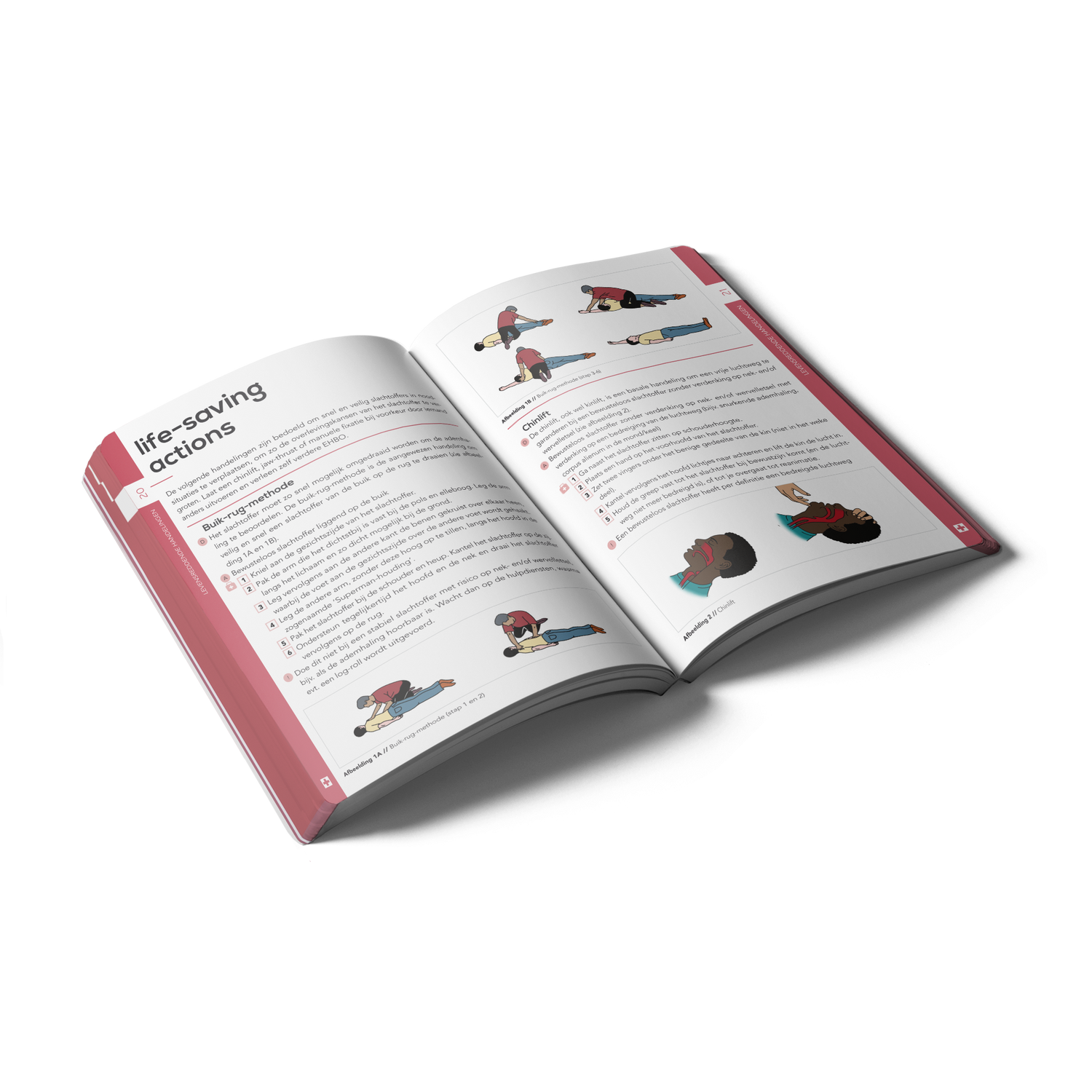
In Compendium Medicine we use the same concise, visual and schematic description of the various medical specialties. Everything is geared towards overview and structure, facilitating study and practice. We call this the Compendium Method ©.
Fixed layout
All our medical specialties are presented in the same, recognisable way and each has its own colour and icon. The pockets have a fixed chapter structure. The table of contents of each pocket tells you exactly which topics are covered. The symbols in the corner of the page show what kind of information is being discussed.
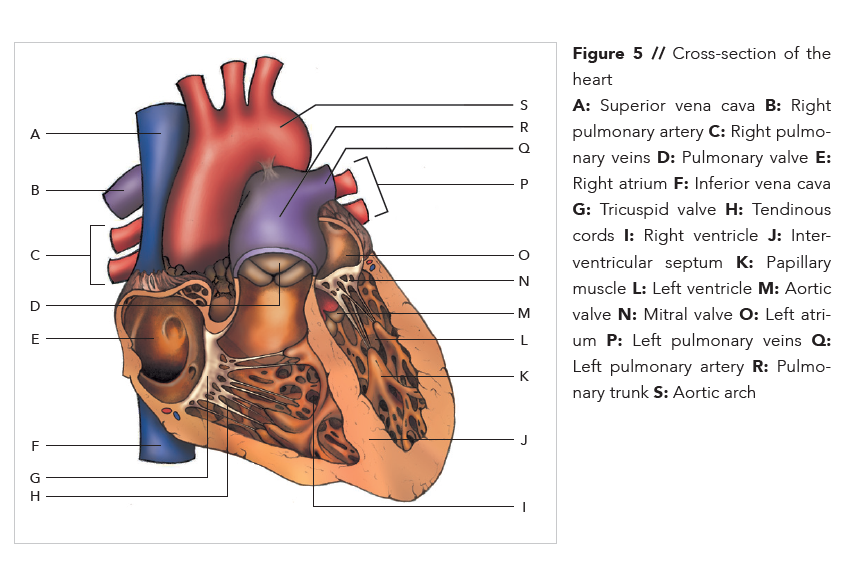
Illustrations
The figures provide at-a-glance insight into topics like anatomy or the typical patient. They are also intended for study and practice, such as checking whether you can identify the letters in a picture without looking at the caption.
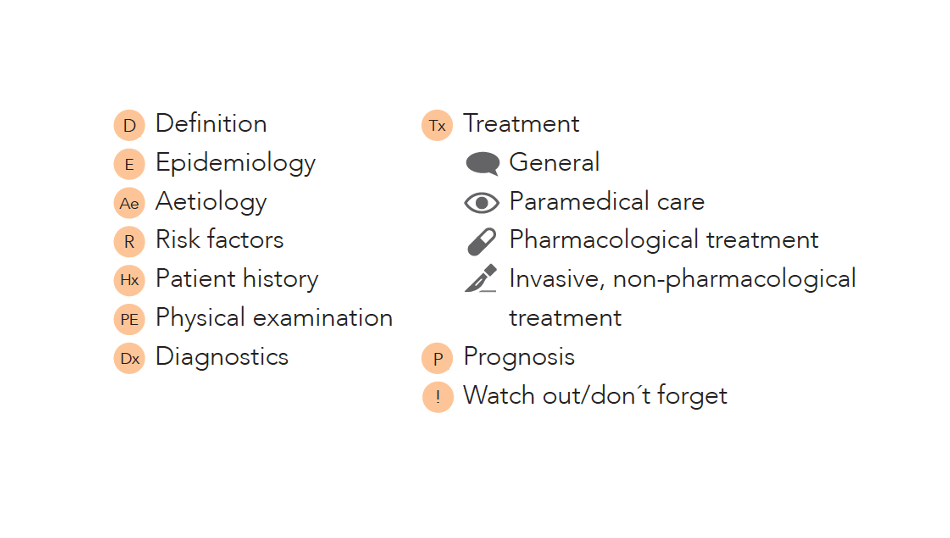
Conditions
Each condition in this pocket starts with a full-sentence definition followed by a telegram-style explanation. For each condition, the following icons (as applicable) are discussed. These visual cues that convey specific attributes or features of the condition are also useful when studying. You can cover the text and quiz yourself.
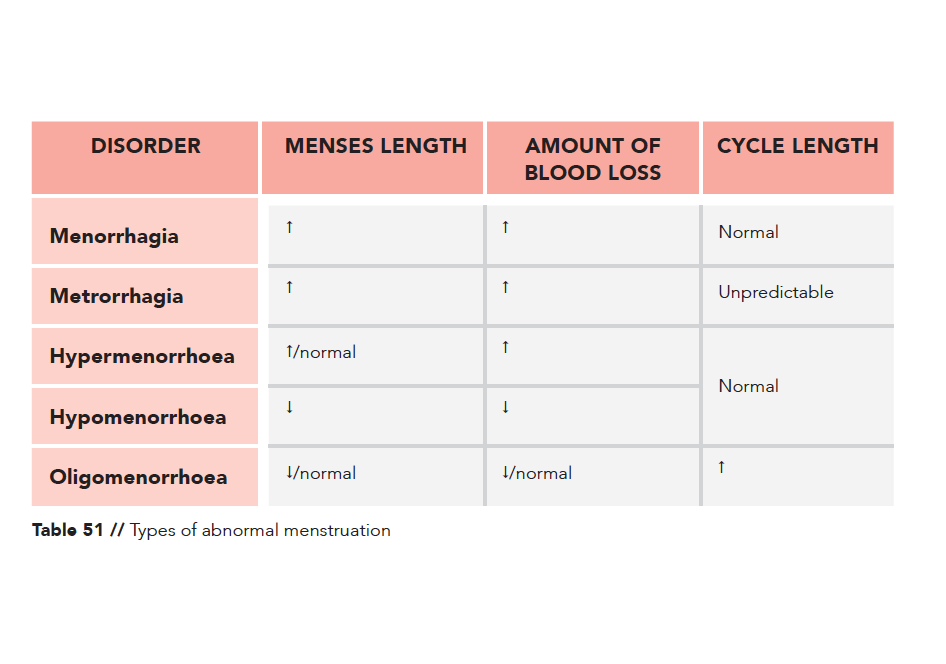
Tables
We use tables to arrange the information in a clear and structured manner, with columns representing different conditions and rows indicating features or characteristics. Centered formatting for matching features makes it easy to identify similarities and differences.

"I love the use of tables to compare and contrast different imaging findings, it makes it a lot easier to remember!"
- Med student from Australia about the Radiology pocketbook
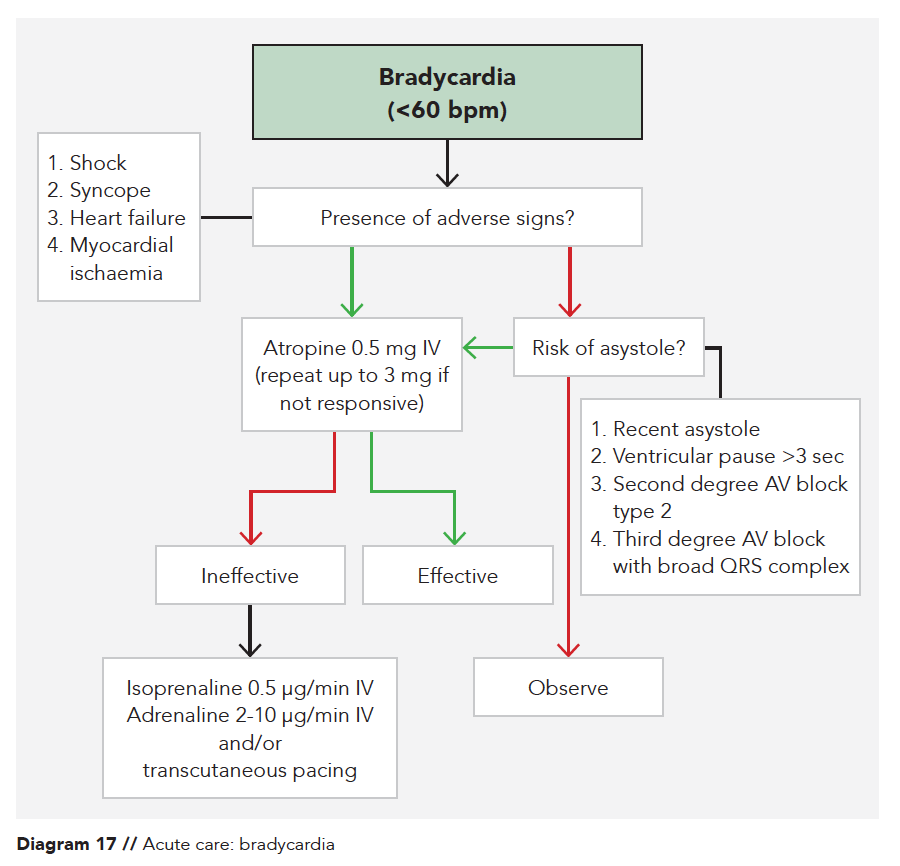
Diagrams
Diagrams help you reason clinically, starting from a particular symptom, using the green and red arrows as signposts. Always remember that the full differential diagnosis may consist of additional diagnoses.
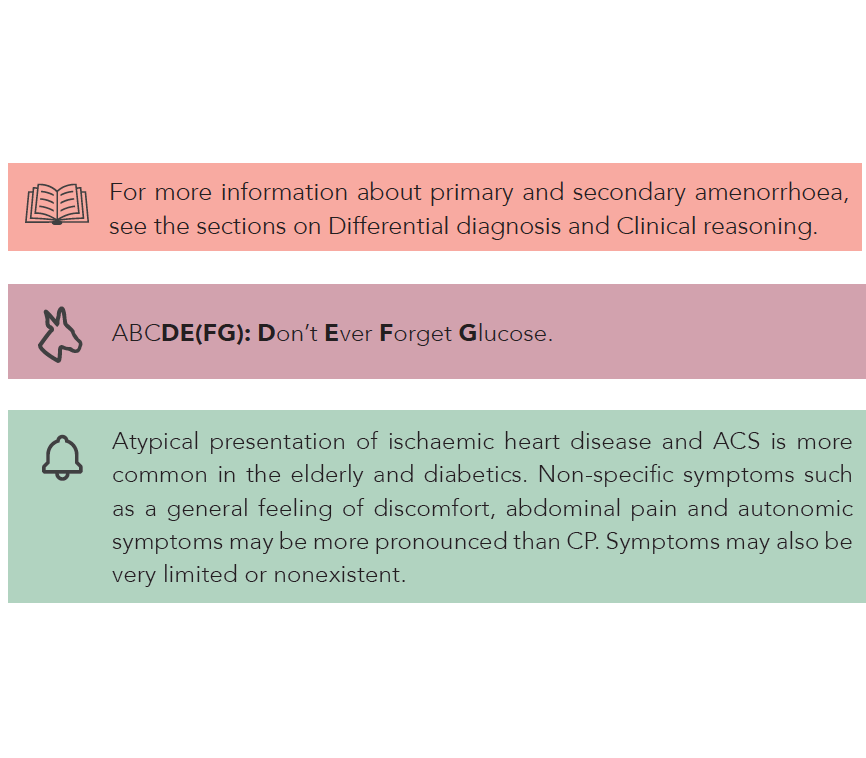
Icons & frames
Throughout this pocket you will find highlighted frames.
Fun fact: our founders are Dutch, and in the Netherlands, we refer to a mnemonic as a “donkey bridge”. That’s why the symbol for mnemonics in our books is a donkey.
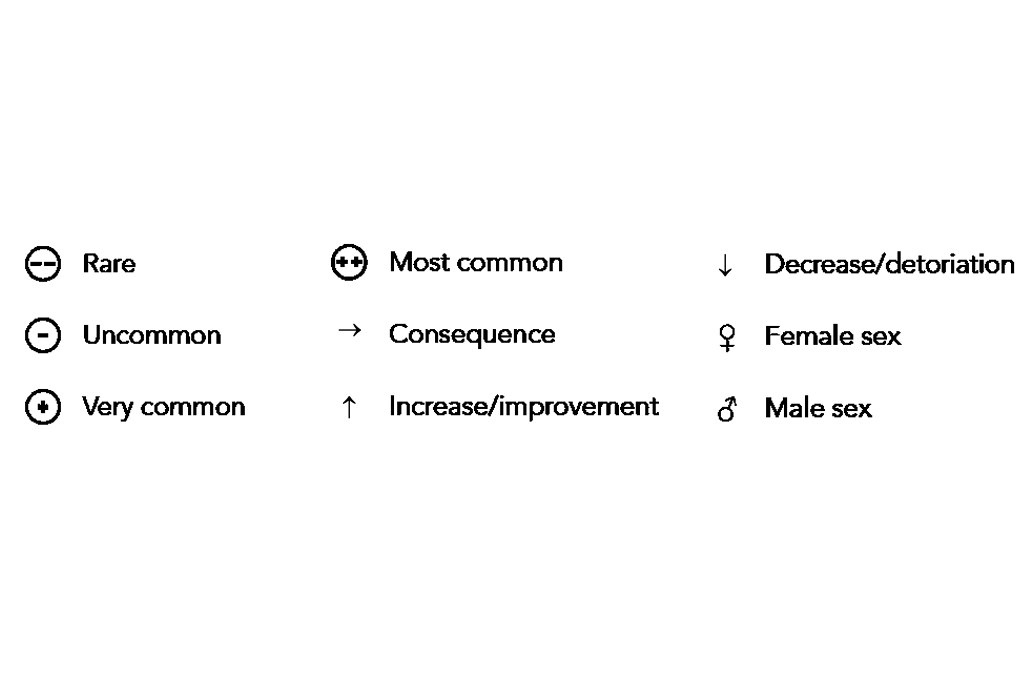
Punctuation marks
The punctuation in our books also focuses on overview and ensures that the subject matters are covered concisely and effectively.
Abbreviations
We make extensive use of abbreviations, medical terms and symbols for scientific units and quantities.
Index
The pockets include a comprehensive and easy-to-use index. It contains all the topics covered in the books so you can quickly navigate and find the information you are looking for.
Appendices
In the pockets, you will find space for your notes, additional information, reminders, or insights. In addition, handy appendices have been added; these contain specific information that you would like to have at hand and are therefore located at the back of the pockets.